Topics
Difficulty
Articles (483)
What Is Shentu (CTK)? Blockchain Security, Staking & Tokenomics
Discover Shentu (CTK), a security-focused Layer 1 blockchain. Learn about its CertiK origins, Security Oracle, staking, governance, tokenomics, use cases, and risks.
What Is Curve DAO (CRV)? Tokenomics, Use Cases & Risks
Learn what Curve DAO (CRV) is, how Curve Finance works, and how StableSwap, veCRV, crvUSD, and LlamaLend support DeFi trading, governance, and lending.
What Is Core DAO (CORE)? Bitcoin Staking and Satoshi Plus Explained
Discover Core DAO (CORE), an EVM-compatible Layer 1 blockchain combining Bitcoin security with DeFi. Learn about Satoshi Plus, BTC staking, Dual Staking, tokenomics, and CORE's use cases.
What Is an ETF? A Beginner's Guide to Buying a “Basket” of Assets
CoinW Academy · ETFs / Trading Basics / Beginner's Guide. Want exposure to a group of stocks or bonds without picking them one by one? An ETF offers a way to buy and sell fund shares on an exchange. Starting with the idea of a “basket,” this article explains how ETF creation and redemption work, how ETFs track indexes, how fees and distributions affect returns, and how stock, bond, commodity, and crypto-related products differ.
What Is Compound (COMP)? DeFi Lending, Governance & Tokenomics
Discover Compound (COMP), a decentralized lending protocol. Learn how Compound III works, how COMP governance operates, its tokenomics, use cases, and risks.
From AI to SI: Why Did Super Inu Suddenly Gain Attention?
CoinW Academy · Meme Coins / Solana / Market Trends. Super Inu (SI) is a meme coin in the Solana ecosystem that attracted market attention amid discussion of “Super Intelligence.” This article explains what SI is, where the trend came from, and what may drive its price. It helps readers distinguish a technology concept from a community narrative and a tradable token, while introducing related CoinW products and risks.
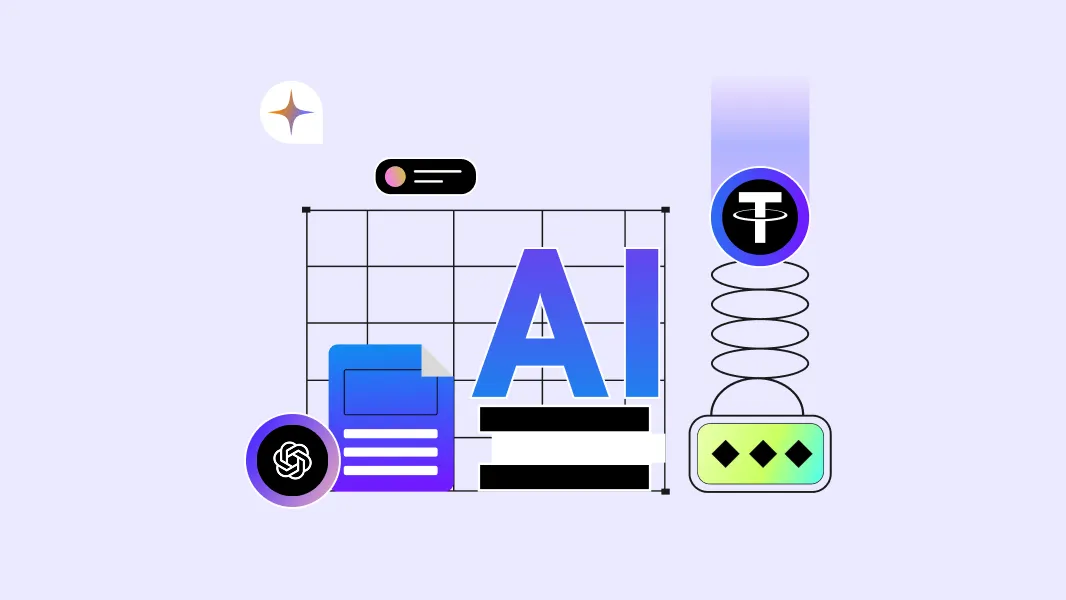
What Exactly Are “OpenAI Concept Stocks”? A Visual Guide to the AI Value Chain
CoinW Academy · Stocks / AI / Industry Trends. Whenever OpenAI launches a new product, NVIDIA, Microsoft, and other AI-related companies often attract more attention. What roles do these companies play in the value chain? This article explores four layers—computing power, cloud, supply chain, and applications—to explain how AI demand reaches different businesses. It also helps readers distinguish thematic connections from actual business benefits and introduces relevant CoinW TradFi products and ways to participate.
What Is Clanker (CLANKER)? AI Token Launch Platform Explained
Discover what Clanker (CLANKER) is, how its AI-powered token launch platform works, its tokenomics, creator rewards, buyback mechanisms, and future outlook.
What Is Nervos Network (CKB)? How It Works, Tokenomics & Use Cases
Discover Nervos Network (CKB), a Proof-of-Work Layer 1 blockchain. Learn how its Cell Model, Nervos DAO, RGB++, and tokenomics support blockchain storage, Bitcoin interoperability, and decentralized applications.